
The Culture, Community, and the Classroom workshop series explores culturally responsive, engaged learning through local traditional arts. It introduces concepts of cultural identity and opportunities to practice ethnographic research skills such as interviewing, note taking, and sketching. The workshop offers educators a widening perspective of their own cultural identity and models for their students to explore their cultural identity authentically. How does one’s knowledge of their cultural identity influence their learning?
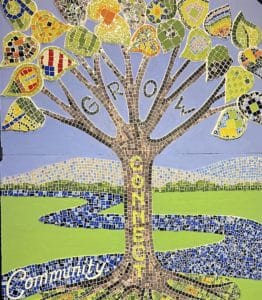
Mosaic made by students with artist Luigi Gobbo.
“Before this workshop, I thought this would be an interesting workshop to help me connect some ideas in class. But now I know this is one of the best PDs I’ve been to and I cannot wait to use the materials in my classes. I learned so much not only for teaching but for my own knowledge as well.” –2024 Teacher Evaluation
Join us for our 2026 Showcase!
More info coming soon…
Why should you participate in CCC?
Teachers will discover how traditional arts and culture can be assets in your classroom, build inclusive learning plans with proven tools for student engagement, and learn with a cohort model that centers teachers’ expertise.
Folk artists will build your portfolios and gain methods for teaching about your art forms and their context to diverse students of all ages.
Folk and traditional arts are found in every community. Study of traditional arts and their creators contributes not only to students’ understanding of culture and community, but also to their ability to think critically, gather and analyze evidence, and express their ideas and interpretations through personal creativity.
“I am so grateful that I signed up for this workshop because I learned so much about my community and how to incorporate culture into my classroom. I thoroughly enjoyed this workshop.”
-2020 Teacher Evaluation
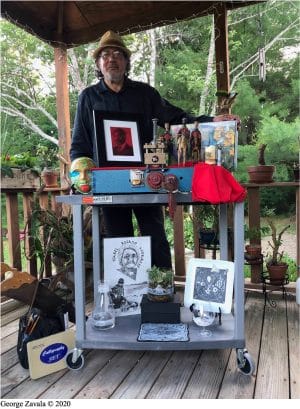
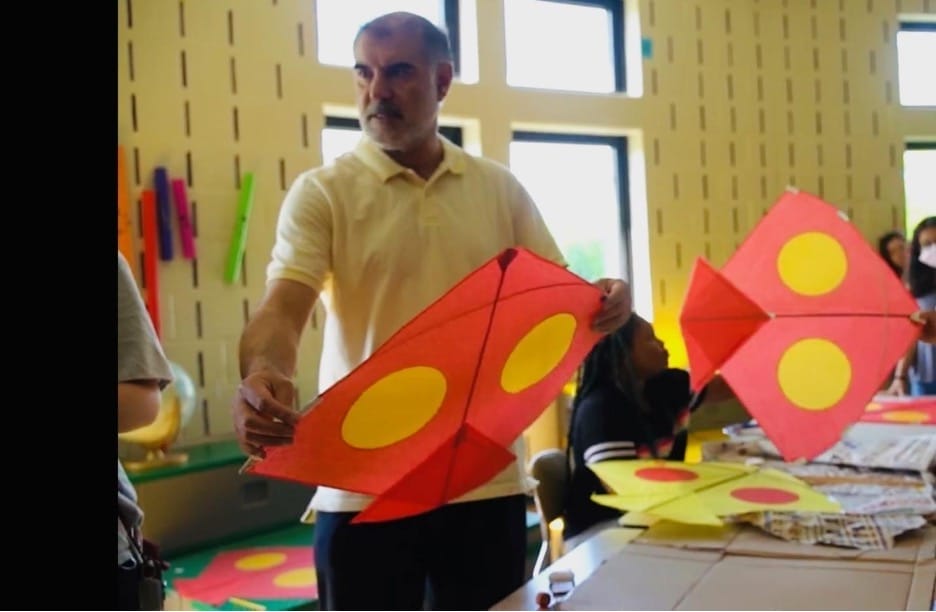
Teaching Artist George Zavala
“Through art I learned to speak and write in English, language of the land of my birth, and art guided me into this new American culture whose ways and language seemed so different from those of my own Puerto Rican roots. As a young man art became a tool to explore myself and my world and became a vehicle for my political expression. Art is the path to my ancestral heritage and the road to my universal connection with all peoples and cultures.”
-George Zavala, CCC facilitator
For 30 years Local Learning has provided services to the field of Folk Arts in Education, offering training nationwide. Our New York State series Culture, Community, and the Classroom builds the capacity of excellent local host organizations, teaching artists, and educators for sustainability.
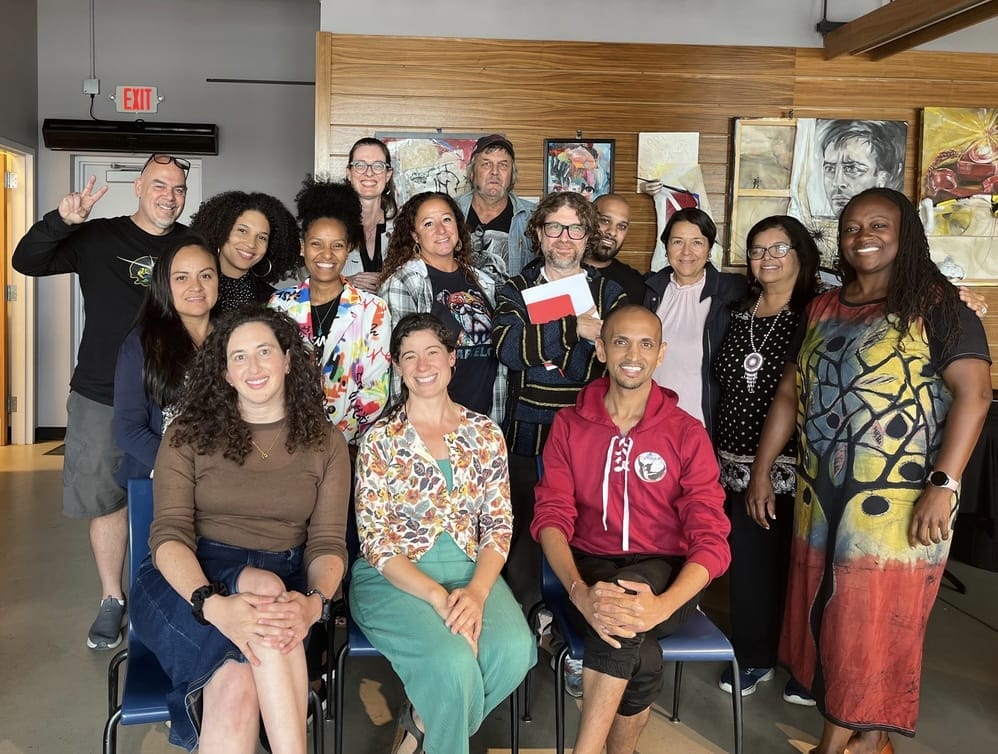



Culture, Community, and the Classroom
Click on the headings in the left column to learn more about the CCC program, faculty, and resources.
- Learn more about the CCC Professional Development Workshop Schedule and Objectives
- Meet the Faculty
- Selected Resources
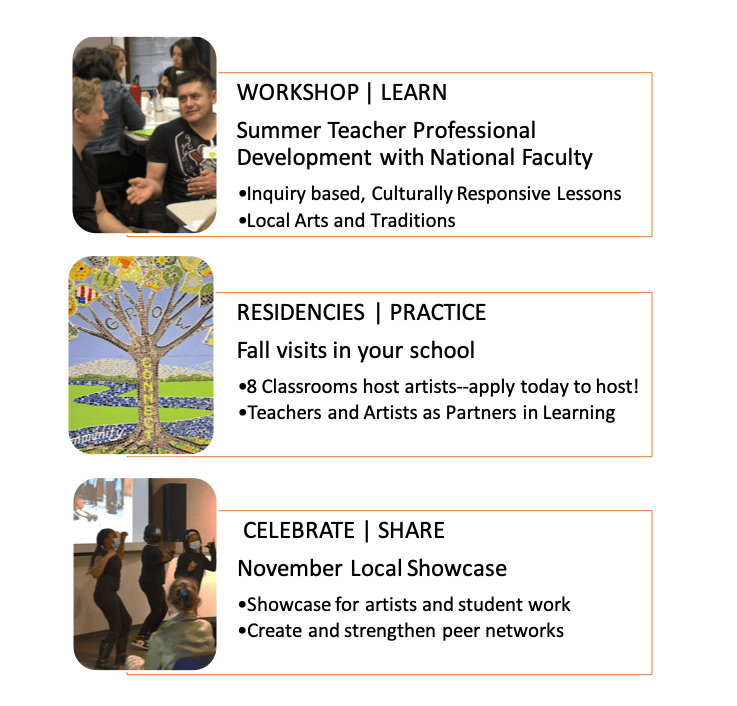 All Educators and Folk Artists are welcome to register for the workshop until space is filled. Additionally, 8 educators will have the opportunity to host a traditional artist for 2 days in your school or online in the fall at no cost to you (indicate your interest when you sign up). Participating mini-residency artists represent local traditions of the region. For questions and inquires, contact Mira Johnson at NYnetwork@locallearningnetwork.org.
OBJECTIVES: Our measurable learning objectives of the goals above reflect what participants will know and be able to do as a result of this professional development training. Teachers, Museum Educators, and Artists will…
- Define folk arts and folklife through uncovering personal and local traditions;
- Practice using ethnographic tools of folklife such as interviewing, note taking, sketching, and mapping;
- Demonstrate their own cultural knowledge through creative activities that they can replicate in the classroom so students can explore their cultural identity;
- Examine the ethical considerations of representing diverse cultures in a classroom;
- Practice how to moderate “tough” conversations that folk arts activities may provoke (race, class, immigration status, family crisis);
- Access local and national interdisciplinary resources for artists and educators to integrate folk arts into classroom curricula and activities;
- Connect local folk arts traditions and research (ethnography) to education standards;
- Phase 2 educators and artists will create a classroom-ready lesson plan that uses the materials and knowledge collected through a Local Learning discovery process.
Workshop faculty will include highly experienced folklorists and teaching artists who will lead hands-on sessions in interdisciplinary activities easily replicated in K-12 and museum teaching. (Meet the Faculty)
Participants will use and receive resources produced by Local Learning, City Lore, and other folk arts education organizations around the country. (Browse Selected Resources)
The workshop facilitators include national and state curriculum experts, master teachers, and museum educators.
Mira Johnson, D. Ed., is the New York Folklore and Education Network Coordinator–a joint position of Local Learning and New York Folklore. She holds a doctorate in Adult Education and Lifelong Learning from Penn State University and an M.A. in folklore from the University of Oregon. Coordinator at the Pelham Arts Center in Pelham, New York, where she oversaw the folk art performance and workshop series and worked to integrate folk art education into the center’s studio art curriculum. Her research addresses the role of traditional knowledge and ecological relationships in community-based education, as well as regional belief practices.
Paddy Bowman is Founding Director of Local Learning and co-edits the Journal of Folklore and Education. Educators and traditional artists around the nation have benefited from her ability to connect non-folklorists with our discipline. Her influential university courses and professional development training programs in folklore for educators around the country, implementation of model school-based projects, authorship of seminal publications, and development of online and off-line curricular materials have significantly extended the reach of folklore to hundreds of teachers and thousands of students throughout the United States. She co-edited Through the Schoolhouse Door: Folklore, Community, Curriculum (2011) and co-wrote a chapter in Folklife and Museums. She was awarded the American Folklore Society Benjamin A. Botkin Prize for Lifetime Achievement in Public Folklore and is a Fellow of the American Folklore Society. She has an MA in Folklore from the University of North Carolina.
Maxwell Kofi Donkor is a Master drummer and Asante Prince who was born and raised in Ghana. Kofi was chosen to carry on the ancestral drumming tradition, and spent much of his childhood learning drumming from his grandfather. He has honored and pursued this commitment with a passion throughout his life. Kofi now lives and works in New York State where he is the leader of the Sankofa Drum and Dance Ensemble. The group promotes teamwork and community building through their performances and workshops at events, schools and festivals.
Karen Canning is the founding director of the GLOW Traditions program that documents, researches and presents traditional arts and folklife in a four-county area in western New York. Areas of work include ethnic music, dance, and arts (Hispanic, Italian, Polish); traditional American music genres; artists’ residencies; world dance traditions; foodways; Native American arts; occupational folklore; rodeo arts; rural-based arts.
Advisor:
Lisa Rathje is Executive Director of Local Learning: The National Network for Folk Arts in Education and co-edits the peer-reviewed, multimedia Journal of Folklore and Education. She directs teacher and artist training institutes and advocates for the inclusion of culture in diverse learning spaces. She consults nationally, including currently a 5-year consultancy for the REACH (Race, Equity, Art, & Cultural Heritage) program of the University of South Florida funded by the U.S. Department of Education to strengthen arts and culture programming in the nation’s educational system. Rathje also has taught courses on cultural partnerships and fieldwork in the Goucher College Masters in Cultural Sustainability degree program, and has multiple publication and film credits. She serves on two Arts Education Partnership National Working Groups: Equity and Higher Education Partnerships. Rathje received her PhD in English with a concentration in Folklore from the University of Missouri.
Find more in our open access Journal of Folklore and Education and our Learning Locally page dedicated to learning activities that can be done at school or home.
Ago/Ame: Co-Teaching Community Cultural Knowledge with a Local Expert
By Avalon Brimat Nemec with Jeannine Osayande
Folklife Education: A Warm Welcome Schools Extend to Communities and Folklife Education: Why Teaching Students the Skills of Ethnography Matters
By Linda Deafenbaugh
Learn more about how Folklore in Education connects to Common Core Education Standards here.
Join the New York Folklore in Education Network!
We are grateful to our colleagues Karen Canning of GLOW Traditions and Maxwell “Kofi” Donkor for their help in planning this professional development series. We also want to acknowledge the support of Ellen McHale and New York Folklore.
Local Learning’s programs are made possible by the New York State Council on the Arts with the support of the Office of the Governor and the New York State Legislature. This project is supported in part by the National Endowment for the Arts. To find out more about how National Endowment for the Arts grants impact individuals and communities, visit www.arts.gov. Additional funding for this project comes from individual donors to Local Learning.
